
Please log-in to report.
 en
en
Africa, South America, North America, Europe, Asia, Oceania
Sign-up / Log-in to be up-to-date and informed!
Choose your News Preferences Below
Top News Stories Worldwide
Your Current Default Preferences are:
Uganda Top Stories
for the 26 Jan - 01 Feb
< Previous week Next week >
1. Uganda’s Gold Exports Jump to $5.8bn
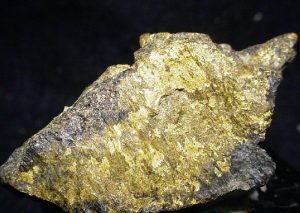
Uganda exported 76% more gold in 2025, earning $5.8 billion and surpassing coffee as the country’s top export. Record global gold prices and new dealers entering the market drove the increase. Uganda also acted as a regional hub for bullion from neighboring countries. Policy changes, such as removing export levies and opening the first large-scale gold mine, further boosted exports and foreign exchange earnings.
2. Bank of Uganda to License Large Saccos
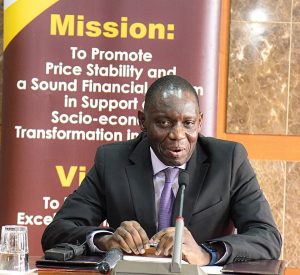
The Bank of Uganda instructed 90 large savings and credit cooperative societies (Saccos) to apply for licenses as it expands supervision to protect billions in member savings. The move targets Saccos with over 1.5 billion shillings in voluntary savings and at least 500 million shillings in institutional share capital. Officials aim to enforce governance, capital, and risk standards, similar to banks, while supporting Saccos through licensing and member education on regulatory requirements.
3. Uganda Maintains Tourism Amid Tension
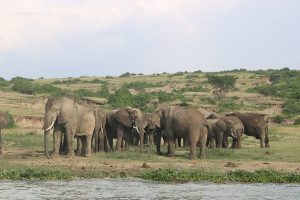
Uganda’s tourism sector continues to operate amid political uncertainty following the January 15 presidential election. Major national parks, including Bwindi, Queen Elizabeth, and Murchison Falls, remain open, and safari and gorilla trekking activities proceed as scheduled. However, post-election unrest, internet disruptions, human rights concerns, and restrictive social laws, including the Anti-Homosexuality Act, have raised caution among some foreign travellers and investors, potentially affecting the industry’s international reputation.

4. IMF Assesses Uganda’s Economy as Stable
The International Monetary Fund (IMF) concluded its 2025 Post-Financing Assessment with Uganda, finding robust economic performance. Real GDP grew 6.3% in FY24/25, inflation stayed below 4%, and the current account deficit narrowed to 6.1% of GDP. Foreign exchange reserves exceeded three months of imports. The IMF assessed Uganda’s repayment capacity as adequate but cited risks from portfolio outflows, commodity shocks, and oil project delays. Authorities pledged fiscal consolidation, prudent monetary policy, and exchange rate flexibility.
5. CSOs Urged Uganda to Set Tax Tribunals
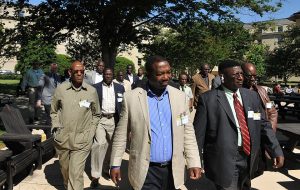
Civil society groups urged Uganda’s government to establish sub-county tax tribunals to reduce revenue leakages and improve local tax collection. The CSOs, including ACODE, SEATINI, and the Uganda Debt Network, highlighted gaps in enforcement, property valuation, and royalty collection, citing the Auditor General’s report on lost revenue from exemptions and incentives. The Uganda Revenue Authority collected Shs16.476 trillion by December 2025 and plans reforms, including new systems for managing oil and petroleum revenue.

6. Uganda Seeks New Investment Flows
Uganda promotes tourism and investment at FITUR 2026 in Madrid, engaging Southern Europe and Spanish-speaking markets. A multi-agency public–private delegation, comprising the Ministry of Foreign Affairs, the Uganda Tourism Board, and tour operators, showcases wildlife safaris, primate trekking, adventure tourism, cultural experiences, and hospitality investment opportunities. The initiative aims to boost tourism demand, attract investment, strengthen international partnerships, and support Uganda’s National Development Plan IV goals of job creation, SME growth, and foreign exchange earnings.