
Please log-in to report.
 en
en
Africa, South America, North America, Europe, Asia, Oceania
Sign-up / Log-in to be up-to-date and informed!
Choose your News Preferences Below
Top News Stories Worldwide
Your Current Default Preferences are:
Tanzania Top Stories
for the 24 Nov - 30 Nov
< Previous week Next week >
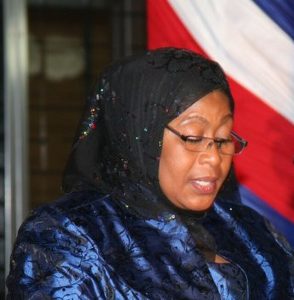
1. Samia Hassan Adds Family to Cabinet
Tanzania’s President Samia Suluhu Hassan expanded her cabinet after winning 98% of the October 29 vote, appointing her daughter Wanu Hafidh Ameir as deputy education minister and her son-in-law Mohamed Mchengerwa as health minister. The reshuffle named 27 ministers and 29 deputy ministers, following opposition claims of an unfair election. The changes also elevated Ridhiwani Kikwete and other CCM figures, drawing scrutiny over political favoritism and governance standards.
2. Tanzania Faces Pressure After Vote
President Samia Suluhu pursued reconciliation after Tanzania’s disputed election by pardoning youths involved in protests, releasing senior opposition figures, and creating a commission to investigate killings. Opposition parties rejected the commission as biased and continued to challenge the near-98% election result, citing deadly repression and restricted participation. Despite her conciliatory measures, Tanzania faces heightened global scrutiny, with international partners questioning the credibility of its democratic institutions and the government’s commitment to political reforms.
3. Tanzania Government Against Media News
The Tanzanian government publicly challenges recent CNN, BBC, Al Jazeera and DW reports on post-election violence, arguing that the coverage lacked balance, accuracy and the government’s right of reply. Government spokesperson Gerson Msigwa says the outlets used selective sourcing and heightened tension. He urges citizens to avoid divisive narratives and calls on foreign media to follow ethical standards. A three-month national inquiry is reviewing casualties, damage and missing persons.
4. Samia Names Inquiry Commission
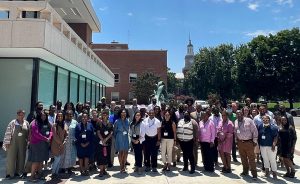
A statement from Chief Secretary Moses Kusiluka announced that President Samia Suluhu Hassan has appointed retired Chief Justice Mohammed Chande Othman to lead a new Commission of Inquiry examining unrest surrounding Tanzania’s October 29 elections. The commission includes senior experts in governance, security, and legal affairs, such as retired Chief Justice Ibrahimu Khamis and former Chief Secretary Ombeni Sefue. Members are expected to begin work immediately and propose measures to strengthen peace and stability.

5. Tanzania Prompts Transnational Advocacy
Tanzania’s democratic crisis deepened after President Samia Suluhu Hassan’s disputed October election, in which opposition leaders were barred from contesting, and security forces violently suppressed protests, leaving hundreds reportedly dead. The government imposed internet blackouts and restricted independent observers. Cross-border activism from Kenya amplified suppressed voices, sharing images and lobbying the African Union and East African Community for accountability. The crackdown and regional response highlight growing transnational advocacy and challenges to governance in East Africa.
6. CNN, BBC Probe Tanzania Killings
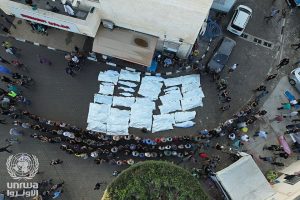
CNN and BBC investigations report that Tanzanian security forces killed large numbers of protesters after President Samia Suluhu Hassan claimed a 98% election victory. Verified videos, satellite imagery and witness accounts show police firing live rounds, morgues overflowing with bodies, and soil disturbances consistent with mass graves near Dar es Salaam. Hospitals reported corpses removed by police, and rights groups say hundreds were killed in Dar es Salaam, Arusha, Mwanza and other protest-hit areas.