
Please log-in to report.
 en
en
Africa, South America, North America, Europe, Asia, Oceania
Sign-up / Log-in to be up-to-date and informed!
Choose your News Preferences Below
Top News Stories Worldwide
Your Current Default Preferences are:
Uganda Top Stories
for the 19 Jan - 25 Jan
< Previous week Next week >
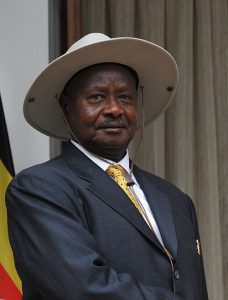
1. Museveni Wins Uganda Vote
Uganda’s electoral commission declared President Yoweri Museveni the landslide winner of the presidential election, extending his rule toward a fifth decade. The commission said Museveni won about 72% of the vote nationwide. The 81-year-old leader, in power since 1986, secured another term after a nationwide vote conducted amid tight security and an internet blackout, reinforcing his long dominance of Uganda’s political system.
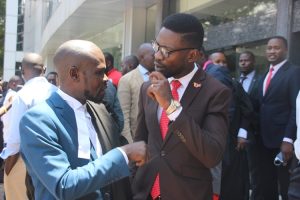
2. Bobi Wine Abduction Claim Meets Denial
Ugandan opposition leader Bobi Wine’s party said security forces abducted him from his home by army helicopter as election results neared, citing a power cutoff and assaults on guards during a nationwide internet blackout. Police denied the claim, calling it false and inciteful, but did not disclose his whereabouts. Partial results showed President Yoweri Museveni leading, while authorities deployed heavy security to prevent protests in Kampala.
3. Uganda Post-Election Violence Kills 12
Uganda’s post-election violence killed at least 12 people as security forces clashed with opposition supporters during vote counting, authorities and opposition figures said. The deadliest incidents occurred in Butambala, with additional killings reported around Kampala and central districts. Police said protesters attacked polling sites; opposition allies disputed that account. Preliminary results showed President Yoweri Museveni leading over challenger Bobi Wine amid allegations of suppression and arrests.
4. African Union Backs Museveni
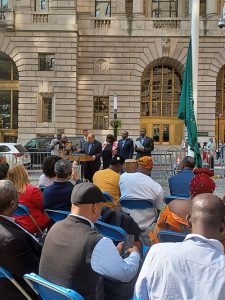
The African Union Commission praised Uganda’s election conduct and congratulated President Yoweri Museveni on re-election with 71.61% of the vote, citing generally peaceful polling. Chairperson Mahmoud Ali Youssouf thanked former Nigerian President Goodluck Jonathan for leading the AU-COMESA-IGAD observer mission, which reported no ballot stuffing at sites visited. Observers also raised concerns about intimidation, arrests, abductions, delayed openings, and the nationwide internet shutdown.
5. HRW Urged Uganda to Restore Internet
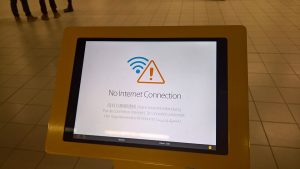
Human Rights Watch urged Uganda to lift election-related internet restrictions, saying the shutdown violates basic rights and undermines vote transparency. Authorities denied imposing a nationwide blackout, citing misinformation risks. The vote also faced technical disruptions after biometric voter verification kits failed at multiple polling stations, forcing officials to use manual registers. Delays and equipment problems affected voting in Kampala and other regions, drawing criticism from rights groups and opposition parties.

6. Fact-Checkers Debunk Poll Rigging Post
Fact-checkers debunked social media posts that reused old footage to claim fraud and protests after Uganda’s 2026 election. One video showing ballot manipulation came from the 2016 vote, not the recent polls. Another clip alleging post-election protests was taken from a 2025 campaign report. Both posts circulated widely online, amplifying misleading claims amid reports of internet disruptions, opposition repression, and limited unrest after the vote.