
Please log-in to report.
 en
en
Africa, South America, North America, Europe, Asia, Oceania
Sign-up / Log-in to be up-to-date and informed!
Choose your News Preferences Below
Top News Stories Worldwide
Your Current Default Preferences are:
Zimbabwe Top Stories
for the 24 Nov - 30 Nov
< Previous week Next week >
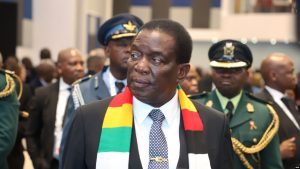
1. Mnangagwa Term-Extension Rift Widens
A political rift emerged inside Zanu-PF as President Mnangagwa distances himself from a campaign to extend his tenure to 2030. Party spokesperson Christopher Mutsvangwa said Mnangagwa is not seeking a longer term, amid concerns the push is fueling succession battles involving figures like Kudakwashe Tagwirei. Despite resistance, structures in Mashonaland West are advancing resolutions for constitutional amendments. The dispute highlights internal power struggles ahead of the party’s 2027 leadership selection.

2. Court Backs Govt Land Tenure Plan
Zimbabwe’s High Court dismissed a challenge to President Emmerson Mnangagwa’s new Land Tenure Program. It ruled the applicants’ constitutional arguments lacked merit. The decision strengthens the government’s reform agenda as Mnangagwa launches a revised land tenure system aimed at consolidating land reform gains, tightening state control over allocations, and prioritising veterans, youths and women. The programme introduces transferable, bankable tenure documents and will be overseen by new Cabinet and technical committees to drive implementation.

3. Government Upholds Land Compensation
Zimbabwe’s government reiterates its constitutional commitment to compensate former white commercial farmers, fulfilling historical redress for land lost during colonial-era imbalances. Finance Minister Mthuli Ncube confirmed that payments under the Bilateral Investment Protection Agreements and the US$3.5 billion Global Compensation Deed are progressing on schedule, highlighting the state’s adherence to legal obligations. The initiative underscores the political intent to resolve long-standing land issues while strengthening tenure security and restoring public confidence in government accountability.
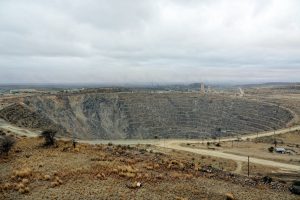
4. Govt Sharpens Mining Enforcement
Zimbabwe is preparing sweeping mining reforms that will allow the state to revoke licences for environmental violations, marking one of its toughest regulatory shifts in years. Mines Minister Winston Chitando says the new Responsible Mining Initiative Part 2 will impose binding penalties and stricter oversight to curb pollution and land degradation. The move comes as courts separately tighten governance in the sector, ordering the reversal of unlawfully issued shares at DGL Number Five.

5. Mnangagwa Launches GBV Compact
President Mnangagwa launched the High-Level Political Compact on Ending Gender-Based Violence, marking the start of the 16 Days of Activism. He emphasized creating a society free from violence, including digital abuse, and called for coordinated government and community action. Key initiatives include the National GBV Response Strategy and Women in Leadership Strategy, aimed at prevention and empowerment. Mnangagwa urged ministries and partners to mainstream gender considerations and address emerging GBV drivers like substance abuse.

6. Govt Pushes Maritime Agenda Abroad
Zimbabwe used the International Maritime Organization Assembly to assert its geopolitical and economic interests. Transport Minister Felix Mhona pledged full support for global maritime safety, security, and environmental rules. Despite being landlocked, Zimbabwe framed maritime access as a strategic national priority tied to President Mnangagwa’s 2030 vision. Government highlighted new laws, regional alliances and capacity-building needs as it seeks greater influence in international shipping governance and improved control over regional trade corridors.