
Please log-in to report.
 en
en
Africa, South America, North America, Europe, Asia, Oceania
Sign-up / Log-in to be up-to-date and informed!
Choose your News Preferences Below
Top News Stories Worldwide
Your Current Default Preferences are:
Tanzania Top Stories
for the 10 Nov - 16 Nov
< Previous week Next week >
1. Travel, Tourism Resume Across Tanzania
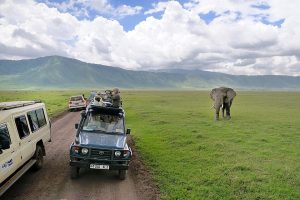
Tanzania confirmed that peace and stability have been restored nationwide, with tourism and travel operations fully resumed. The Ministry of Natural Resources and Tourism stated that all entry points, transport services, and tourism activities are functioning normally. Despite this, the U.S., UK, and Canada maintain travel advisories due to post-election unrest, security checkpoints, internet restrictions, and risks of detention. Authorities urge travelers to follow local regulations and carry identification while visiting the country.

2. Latra Releases 150 Buses for Transport
The Land Transport Regulatory Authority (Latra) has approved 150 new commuter buses to ease public transport in Dar es Salaam, following election-related violence that damaged Bus Rapid Transit (BRT) infrastructure. The additional buses will supplement the existing 148 on the Morogoro Road route, increasing capacity to 298 vehicles. Each minibus seats 26 passengers. The move aims to restore passenger flow, reduce congestion, and maintain transport services while BRT repairs continue on affected corridors.
3. Tanzania Crisis Slows East Africa Trade
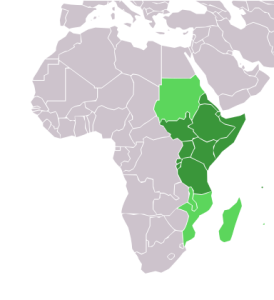
Tanzania’s post-election crisis is disrupting trade and the East African economy. Protests and a weeklong internet shutdown following the October 29 vote halted operations at Dar es Salaam port, forcing cargo to divert to Kenya’s Mombasa and Lamu ports. Supply chains and the Northern and Central Corridors are congested, raising transport costs and food prices across the region. Businesses in Kenya, Uganda, Rwanda, and Burundi face losses, while cross-border trade and investor confidence are under pressure.

4. Internet Shutdown Costs Tanzania $238m
Tanzania’s internet shutdown during the October 29–November 3, 2025, election period and the ongoing suspension of X (formerly Twitter) cost the economy over USD 238 million. Digital rights group Paradigm Initiative reported that the blackout disrupted digital services, trade, and productivity, while affecting mobile payments and other informal economic activities. The losses exceeded the country’s ICT ministry budget by more than three times, highlighting the significant financial and social impact of connectivity restrictions.

5. KAM Warns Tanzania Unrest Affects Kenya
Kenya Association of Manufacturers CEO Tobias Olando warned that Tanzania’s political unrest threatens cross-border trade and logistics. He said Kenya exported goods worth Sh67 billion to Tanzania in 2024 and imported Sh57 billion, underscoring the country’s importance as a key market and transit route. Disruptions have already slowed cargo movement through border points and ports, raising concerns over regional stability and economic integration in East Africa.

6. Tanzania Reopens Port and Waives Fees
Tanzania reopened the Port of Dar es Salaam and waived all storage charges to ease congestion and resume operations after a post-election lockdown that halted port activities. The closure stranded dozens of vessels and disrupted imports and exports for Tanzania and several landlocked neighbors, including Zambia, Malawi, Rwanda, Burundi, and the Democratic Republic of Congo. Authorities deployed extra cranes and coordinated with stakeholders to expedite cargo movement and reduce losses for shipping companies and importers.
7. CCM Dominates Tanzania Parliament
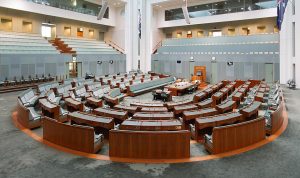
Tanzania’s 13th Parliament convened with the ruling Chama Cha Mapinduzi (CCM) holding a majority, while the official opposition remained absent due to insufficient numbers. Of 396 MPs, 113 of 115 Special Seats belong to CCM, with two held by Chaumma. Opposition parties hold 12 seats, below the 12.5% threshold required for an official opposition. The new Parliament began sessions in Dodoma, including a State of the Union address by President Samia Suluhu Hassan.
8. Opposition Crackdown Follows Vote
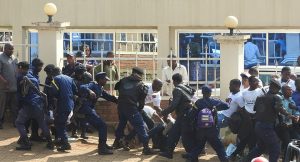
Tanzania police arrested opposition deputy secretary-general Amani Golugwa and charged hundreds of protesters with treason after last month’s contested elections. Authorities also sought senior Chadema officials, including Secretary-General John Mnyika and communications director Brenda Rupia. Protests erupted across major cities following President Samia Suluhu Hassan’s victory with over 97% of the vote. Rights groups criticized the government’s response, citing widespread use of force and questioning the election’s credibility.
9. Rights Groups Allege 3,000 Killed
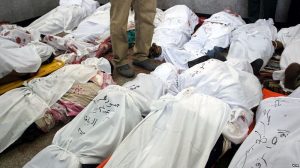
Human rights organizations reported that Tanzanian security forces killed approximately 3,000 people following the October 29 general election. Alleged victims include protesters, civilians, medical personnel, and street children, while thousands more remain missing. Reports indicate restricted hospital access, confiscated footage, and the possible use of mass graves to conceal deaths. More than 40 African advocacy groups called for the prosecution of security officials, an independent international investigation, and the resignation of President Samia Suluhu Hassan over the crackdown.