
Please log-in to report.
 en
en
Africa, South America, North America, Europe, Asia, Oceania
Sign-up / Log-in to be up-to-date and informed!
Choose your News Preferences Below
Top News Stories Worldwide
Your Current Default Preferences are:
Tanzania Top Stories
for the 17 Nov - 23 Nov
< Previous week Next week >
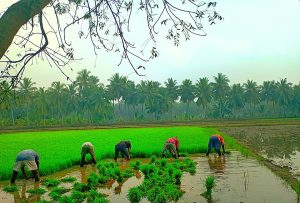
1. Government Launches 5-Year Agri Plan
Tanzania launched a five-year plan to modernize agriculture, expand livestock production, and increase fisheries output. President Samia Suluhu Hassan aims to raise agricultural growth from 4% to 10% by 2030, boost irrigated land from 3.4 million to 5 million acres, and revive cash crops like tea, coffee, and cotton. The government will promote mechanization, improve market access, strengthen post-harvest management, and support value chains to enhance food security and export potential.
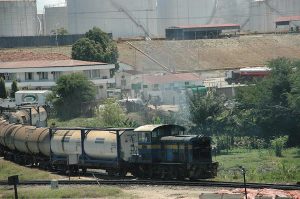
2. Tanzania Expands Rail Network for Trade
Tanzania is modernizing its railway network to boost trade, investment, and industrial growth. President Hassan outlined plans to complete Standard Gauge Railway lines along the Central Corridor, extend new lines from Tanga to Musoma and Mtwara to Mbamba Bay, and upgrade existing routes, including TAZARA and several Meter Gauge sections. The government will invite private operators to manage selected lines and develop modern commuter trains in Dar es Salaam and Dodoma to improve urban transport.
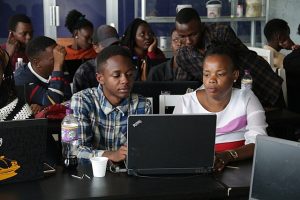
3. Samia Unveils New Youth Programs Plan
Tanzanian President Samia Suluhu Hassan created a Ministry for Youth Affairs to coordinate national programs for young people and appointed special presidential advisers on youth matters. She outlined initiatives to expand economic opportunities, job creation, skills development, and internships, particularly in agriculture, livestock, and strategic sectors. The government will enhance youth access to capital and vocational training, aiming to align programs with industry needs and support the ruling party’s target of creating eight million jobs.
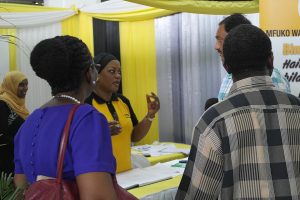
4. Tanzania Treasury Unveils Economic Plan
The Treasury Registrar, Nehemiah Mchechu, unveiled an eight-target, five-year strategic plan to transform Tanzania’s public enterprises by 2030. The plan aims to double their GDP contribution from 5 to 10%, raise non-tax revenue from 3.6 to 5%, reduce reliance on government subsidies from 49 to 30%, and improve profitability and efficiency. It also establishes a $10 billion Public Investment Fund and seeks at least $500 million in export earnings, supporting fiscal resilience and economic growth.
5. InVert Graphite Reports Drill Results
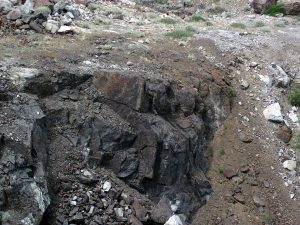
InVert Graphite Limited reported high-grade graphite results from initial drilling at its Morogoro Project in Tanzania. The Kumba prospect returned up to 13.4% Total Graphitic Carbon (TGC) over wide zones, including 48 meters at 8.5% TGC and 64 meters at 7.8% TGC. Additional drilling, including six reverse circulation and four diamond holes, is underway to assess the full extent of mineralization, supporting potential expansion of the company’s graphite resources and future production.
6. Tanzania Reports 45% Surge in Tourists
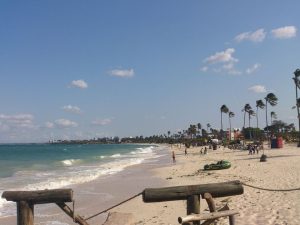
Tanzania’s tourism sector surged despite recent political unrest, with international arrivals rising 45% in early November 2025. TANAPA reported all 21 national parks, including Serengeti and Kilimanjaro, remain fully operational and safe. The industry contributed 17.2% to GDP in 2024, supporting 1.5 million jobs, and continues to grow through improved infrastructure, marketing, and private-sector investment. Zanzibar also recorded record visitor numbers, reflecting nationwide tourism resilience and global appeal.

7. Samia Appoints Nchemba as Tanzania PM
Tanzania’s President Samia Suluhu Hassan appointed longtime ally Mwigulu Nchemba as prime minister following the disputed October 29 presidential election, which sparked protests resulting in hundreds of deaths, according to rights groups. Parliament confirmed Nchemba, a former finance minister and deputy secretary-general of Hassan’s Chama Cha Mapinduzi party, in a near-unanimous vote. Nchemba, who served under Hassan and her predecessor, pledged to work diligently, while the government projects 6% economic growth driven by infrastructure spending.

8. Religious Leaders Urge Election Inquiry
Tanzania’s Catholic Bishops and the Council of Imams urged authorities to ensure truth and accountability after the 2025 election, citing widespread violence that killed hundreds and left many detained or missing. The Bishops criticized excessive force, called for the release of detainees, and pressed for an independent, multi-stakeholder investigation into the unrest. Both groups said fair elections, transparent governance, and credible avenues for public grievances are necessary for national healing and stability.
9. Hassan Forms Commission on Unrest
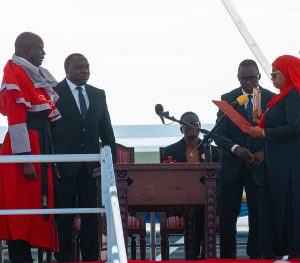
President Samia Suluhu Hassan formed a special commission to investigate the October 29 election unrest and the killings that occurred during nationwide protests. She said the inquiry will examine the causes of the violence and guide government efforts on reconciliation and peace. Hassan also ordered the release of some arrested youth and acknowledged opposition party Chadema’s demand for constitutional reforms, pledging to begin that process within her first 100 days as the party’s leaders face treason charges.