
Please log-in to report.
 en
en
Africa, South America, North America, Europe, Asia, Oceania
Sign-up / Log-in to be up-to-date and informed!
Choose your News Preferences Below
Top News Stories Worldwide
Your Current Default Preferences are:
Zambia Top Stories
for the 02 Feb - 08 Feb
< Previous week Next week >
1. IMF Clears Final Zambia Funding Tranche
The IMF board approved the sixth and final review of Zambia’s lending program, unlocking a $190 million disbursement. The decision completed reviews under the extended credit facility agreed in 2022 and later expanded to $1.7 billion. The IMF cited progress on debt restructuring, fiscal consolidation, and social spending. Zambia chose to let the program expire without seeking an extension ahead of elections later in the year.
2. Zambia FDI Hits Record $2.36bn
Zambia recorded a record $2.36 billion in foreign direct investment in 2024, a 286% increase from 2023, according to the Bank of Zambia. Officials said inflows were driven mainly by reinvested earnings in mining, manufacturing, financial services, and commercial banking sectors. Reinvestments improved investor confidence after debt restructuring. While early 2025 inflows slowed, authorities said economic reforms and policy measures continue to support long-term investment recovery.
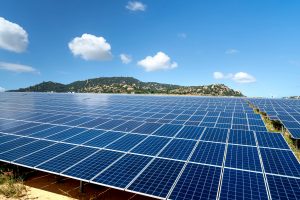
3. Zambia Pushes Solar to Fix Power Crisis
Zambia is accelerating energy reforms after drought cut hydropower output and caused widespread shortages. The government is opening electricity markets, fast-tracking project approvals, and prioritizing solar to diversify supply. Authorities plan to add at least 1,000 megawatts by 2027, backed by Chinese partnerships, private investors, and banks. New projects aim to reduce reliance on hydropower, stabilize the grid, and support industrial and household demand.
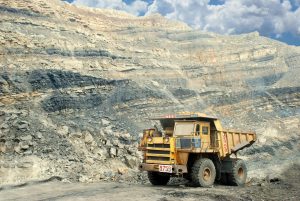
4. Zambia Copper Output Rises 8%
Zambia reported an 8% rise in copper production in 2025, driven by stronger output at major mines, the mines ministry said. Total production reached 890,346 metric tons, up from 825,513 tons in 2024, but missed the one million ton target. Higher volumes came from Konkola, Mopani, Kansanshi, and Lubambe mines, while a tailings dam collapse and lower ore grades reduced output at other sites during the reporting year period.

5. Stronger Kwacha Cuts Fuel Prices
Zambia reduced fuel pump prices for the month of February after the kwacha appreciated more than 10% in January and global oil prices eased. Economist Kelvin Chisanga said the stronger currency lowered import costs under the market-based pricing system, without subsidies. Petrol, diesel, kerosene, and Jet A-1 prices all fell from February 1, easing transport costs and supporting disinflation, while sustaining fiscal discipline.
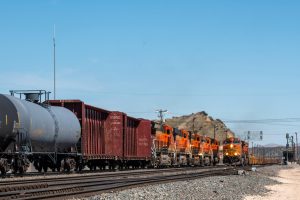
6. EU Funds Lobito Corridor Trade Route
The European Union committed $130 million to the Lobito Corridor to strengthen trade links between Zambia, Angola, and the Democratic Republic of Congo. The project will upgrade rail, road, and logistics infrastructure to speed mineral and non-mineral exports to global markets via Angola’s port of Lobito. Officials say the corridor will cut transport costs, ease bottlenecks, and support regional integration and economic diversification.