
Please log-in to report.
 en
en
Africa, South America, North America, Europe, Asia, Oceania
Sign-up / Log-in to be up-to-date and informed!
Choose your News Preferences Below
Top News Stories Worldwide
Your Current Default Preferences are:
Zimbabwe Top Stories
for the 03 Nov - 09 Nov
< Previous week Next week >

1. Govt Defends Tobacco at Global Forum
The Zimbabwean government has taken a strong stance defending the country’s tobacco industry ahead of global anti-tobacco meetings in Geneva. Agriculture Minister Anxious Masuka warned that the World Health Organisation’s proposed restrictions threaten millions of farmers and Zimbabwe’s foreign currency earnings. Framing tobacco as central to national development, Masuka said Zimbabwe will push for a “fair and balanced” global policy while pursuing its goal to build a US$7 billion tobacco industry by 2030.

2. Zim Sets NDS2 After Mixed NDS1 Results
Zimbabwe is preparing its National Development Strategy 2 (2026–2030), shifting from economic stabilization to industrialization, value addition and inclusive growth. Finance Minister Mthuli Ncube says NDS2 will build on stability gains, boost domestic resource mobilization and strengthen governance. However, the Zimbabwe National Chamber of Commerce says NDS1 failed to meet key targets, including job creation and export value-addition, citing high costs, weak industrial competitiveness and slow agro-processing growth.

3. CZI Sees Zim Inflation Halving in 2025
Zimbabwe’s annual inflation could fall to between 15% and 20% by end-2025, supported by a stable gold-backed ZiG currency and strong bullion prices, the Confederation of Zimbabwe Industries (CZI) said. Inflation dropped to 32.7% in October from 82.7% in September amid negative monthly rates. The CZI noted that sustained currency stability could restore economic confidence after years of volatility. Gold output is projected to exceed 2024’s record 38.4 tonnes.

4. IMF Warns on Zimbabwe De-Dollarization
The IMF says Zimbabwe’s economy remains heavily dollarized, urging a gradual approach to de-dollarization backed by credible fiscal and monetary policies. It warned that confidence in the ZiG currency depends on policy stability and governance reforms. Meanwhile, the Confederation of Zimbabwe Industries called for further disinflation into 2026 to tackle stubborn inflation, noting that the ZiG remains weak against the USD, which continues to dominate transactions and savings.
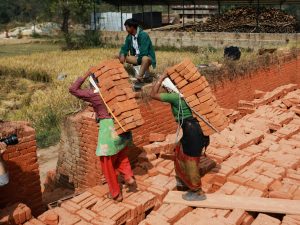
5. Foreign Firms Squeeze Local Retailers
Zimbabwe’s brickmaking industry is under strain as foreign-backed companies expand into retail, squeezing local producers like Willdale Bricks, where workers have gone unpaid for months. Despite laws reserving retail for citizens, weak enforcement allows foreign firms to sell directly to customers. Analysts warn that the inconsistent application of the indigenization policy and rising competition are eroding the local industry. High production costs, taxes, and outdated technology have deepened the sector’s financial distress.

6. Delayed State Payments Squeeze Business
The Zimbabwe National Chamber of Commerce has warned that delayed government payments to contractors are worsening liquidity constraints, undermining tax compliance, and slowing business activity. The lags stem from Treasury’s value-for-money checks, which aim to control spending but have trapped working capital in the public sector. ZNCC wants invoices paid within 90 days and tradeable Treasury Bills used to clear arrears.

7. Zimbabwe Plans IMTT Cut, VAT Rise
Zimbabwe Finance Minister Mthuli Ncube proposed cutting the Intermediated Money Transfer Tax by 0.5 percent. While raising VAT by the same margin. Speaking at the 2026 Pre-Budget Seminar in Bulawayo, he said the adjustment would ease pressure on electronic transactions without weakening funding for national programs. The plan reflects the government’s attempt to balance economic activity and fiscal stability. It is expected to spark debate among lawmakers and business leaders.